

The Benefits of an Island Extractor Hood
A kitchen extractor hood clears the air in your kitchen, helping to keep walls and ceilings looking beautiful. It also gets rid of cooking smells and prevents grease from developing on your worktop.
An island extractor hood produces a striking style declaration within your kitchen, with lots of sizes and products available. There are 3 main cooker hood types: downdraft, ceiling and island.
Extraction capacity
Having an extractor hood above your hob will assist to remove any cooking smoke, steam and odours that can construct up in your kitchen. This will keep your home smelling fresh and healthy, in addition to keeping the walls and ceilings devoid of discoloured grease and paint. Our variety of island extractor hoods have a fantastic selection of styles and styles, so you can discover a cooker hood that fits perfectly with your home design and design.
Chimney design island extractor hoods are hung from the ceiling and can be vented out of your home utilizing ducting, or they can be used with a recirculation system which uses charcoal filters to sieve out the smoke, steam, smells and grease before pushing it back into your kitchen. The recirculating option is the finest option for those with low ceilings as an island extractor fan might be too big to leave a safe distance between the system and your hob in a little space.
Island chimney hoods tend to be a lot bigger than a typical ceiling cooker hood as they have been developed to be a centrepiece of your kitchen, as well as being highly efficient at eliminating smoke, steam and odours from the air. This makes them an exceptional option for those who like to cook or captivate in their home. ovensandhobs can likewise be utilized as a function piece to separate an open-plan dining and living location, producing a break between the 2 rooms.
A recirculating island extractor will not need ducting and can simply be plugged in to your electrical system. The odours, steam and grease will be pulled in through the hood, through charcoal filters and after that pressed out of your kitchen again. This is the most affordable and useful option for smaller homes with less area.
The extraction capability of your extractor will depend upon the type and intensity of cooking you perform in your home, as well as how high your ceilings are. A downdraft extractor will generally have a lower extraction rate than an island or ceiling extractor, as they work by sitting in your work area behind your hob and rising to the ceiling when activated.
Design
The design of an island cooker hood is a crucial factor to consider for any kitchen. Unlike wall-mounted extractors, these systems are positioned in the centre of the room, which means they should be stylish and aesthetically attractive. There are a large range of designs and materials to select from, so you can discover one that matches your kitchen design and spending plan. In addition to being visually pleasing, an island extractor hood can likewise improve your home's energy effectiveness by lowering condensation and humidity.
Depending on your particular requirements, you can select either a ducted or ductless installation. In a ducted setup, the extractor is connected to an air exhaust system that performs cooking vapors outdoors. This kind of hood is ideal for big open-plan kitchens, as it can keep the space smoke and smell free. Alternatively, you can select to utilize a non-vented island extractor hood, which utilizes charcoal filters to sieve out the odours and grease particles. This type of hood can be much easier to set up, however it might need more upkeep than a ducted system.
An island extractor hood need to be positioned a minimum of 24 to 30 inches above your range. This is the perfect height for ideal ventilation, and it will guarantee that you get maximum efficiency from your extractor hood. Moreover, it is necessary to follow the maker's setup guidelines carefully. This will help you avoid unanticipated concerns.
While island extractors are an excellent choice for bigger kitchen areas, they can be challenging to install in smaller sized spaces with low ceilings. You can still set up a kitchen extractor in your little space by utilizing a ceiling hood or downdraft cooker hood. These models are usually developed to be quieter than island extractors and have a low sound level, but they do not have as much extraction capacity as an island extractor.
Aside from increasing your residential or commercial property value, an island extractor hood can make your kitchen look more modern-day and glamorous. This will be valued by possible buyers, especially if you plan on offering your home in the future. Nevertheless, it is very important to consider your lifestyle and family size when selecting an extractor hood.
Setup
Island extractor hoods are installed in the ceiling above your cooking area, and they function as both a functional kitchen appliance and an elegant design declaration. They work quickly to clear your cooking area of smells and airborne grease particles, keeping your kitchen safe and sanitary. Offered in a large range of styles and sizes, they can be found to fit every kitchen visual.
They come in 2 crucial types - ducted and ductless. The ducted choice needs the hood to be connected to an air exhaust system, which will allow it to expel cooking odours and air-borne grease into the outdoors. The ductless variation, on the other hand, will still filter out the exact same odours and gases however won't need to vent outdoors. This alternative is ideal for those who want to simplify their setup but can't manage to install a duct system or just prefer not to do so.
It's important that your island hood is appropriately set up to ensure it will eliminate smoke, smells and grease particles effectively. It's likewise vital to check that the hood is not too near your stove, as this might cause it to over-ventilate your kitchen or pull smells towards one side of your space rather than out. To prevent this, make certain you follow the producer's guidelines and stay with the advised distance from your hob.
Aside from their function, Island cooker hoods likewise provide sufficient lighting for your kitchen area. Some even feature built-in LED lights to assist brighten your cooktop, making it simpler to watch on your meal as you prepare it. They are generally electric, and may include motorised height modification, get too hot security, thermal sensors, a filter cleaning suggestion, sound cancellation and temperature screen.
A ducted island hood will need to be connected to an external air exhaust system to vent the cooking odours and steam into the outdoors. It's a favored choice for those who don't mind having their cooker hood vented to the outside, however it does require routine upkeep and cleaning. If you 'd prefer to streamline your hood setup, you can convert your ducted extractor into a non-vented one by utilizing carbon filters or a recirculation set that sieves the air and pumps it back into the space.
Noise
The primary job of any extractor hood is to clear the kitchen air of smoke, wetness and undesirable food smells. However, the hood isn't just a practical device; it can also act as a strong design declaration, striking the perfect balance in between functionality and aesthetics. The Magnet variety of island extractor hoods uses both, with models that are both sleek and distinctive, ensuring the hood effortlessly blends into your kitchen's design and design.
With the current pattern for open concept kitchen and living spaces, it's essential to think about how the noise of home appliances will affect the total area. The good news is, the current technology has actually been developed to reduce extractor hood noise levels without compromising on extraction efficiency. With extractor hoods now being utilized more than ever previously, it's important to consider the sound level of any model you buy.
There are 3 various types of extractor hoods readily available; downdraft, ceiling and island. Downdraft extractors are set up underneath your hob and increase up straight next to your range when in use, suggesting that smoke, smells and steam are immediately drawn into the hood and away from the cook. Ceiling extractors sit flush to the ceiling and are normally remote managed. Since they are so near the hob, it's necessary that downdrafts and ceiling extractors are set up by a qualified expert to prevent any issues with gas or electrical fires.
An island extractor hood can be vented to the outside via an external wall or recirculated using charcoal filters, making them a flexible alternative for any kitchen. When recirculated, the smoke, smells and grease from the hob are sucked up into the hood, through charcoal filters, where they're then cleaned and pushed back into your kitchen-- removing the need for external ventilation.
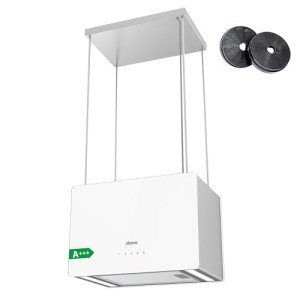
Island extractors are usually the noisiest type of hood, specifically when they're at full power. The noise produced is triggered by the effect of the air on the filters, which can produce a high-pitched whistling noise. Some producers, such as Elica, provide a range of quiet hoods which are geared up with Comfort Silence technology, to make sure that even at maximum extraction speed, a hood won't disturb or disrupt any pleasant conversation in the kitchen.